English
 日本語
日本語
 Deutsch
 Español
No.158, Baoqun Road, Yaozhuang Town, Jiashan County, Jiaxing City, Zhejiang Province , China
News
Home / News / Industry News / What is Metal Structural Parts Welding Processing and Why is it Important?
Content
Metal structural parts welding processing is an essential aspect of modern manufacturing, particularly in industries that rely on metal structures for various applications, such as construction, automotive, and heavy machinery. Welding is the process of joining metal parts together to create a strong and durable bond, ensuring the structural integrity of the final product.
Metal structural parts welding processing refers to the set of techniques used to bond metal components together using heat, pressure, or both. The process involves melting the metal at the joint and allowing it to cool and solidify, forming a strong bond between the parts. Welding is an essential technique in creating robust, durable, and reliable metal structures used in various industries.
There are different types of welding techniques used in the metal fabrication process, each with specific applications and advantages. Some common welding methods include:
Each of these methods has its unique advantages and is chosen based on the specific requirements of the structural parts being welded.
The importance of metal structural parts welding processing cannot be overstated. It plays a pivotal role in ensuring the overall strength, durability, and reliability of a metal structure. Below are some key reasons why this process is crucial:
Ensures Structural Integrity: Welding helps maintain the strength of the material by providing a strong and permanent bond between metal components. This is especially critical in industries like construction and automotive, where safety and structural stability are paramount.
Customization and Versatility: Metal welding allows for custom designs and the creation of unique shapes that meet specific design requirements. For manufacturers, this means greater flexibility in product development.
Cost-Effective: Welding is a cost-effective solution for joining metal parts compared to other techniques such as bolting or riveting, particularly when large volumes of parts need to be fabricated. This helps reduce material costs and labor.
Durability and Longevity: Welded joints are highly durable and resistant to the stresses and strains that metal components often experience. A properly welded joint can significantly extend the lifespan of the metal structure.
Increased Production Efficiency: Welding is a fast and efficient process that enables the mass production of high-quality metal parts, thereby improving manufacturing efficiency. It allows manufacturers to keep up with demand and maintain quality standards.
Metal structural parts welding is applied across various industries, each with its own unique requirements. Below are some industries where welding plays a vital role:
Jiaxing Dingshi Machinery Manufacturing Co., Ltd. is a leading manufacturer of custom welded structural steel parts in China. Since its establishment in 2014, the company has been at the forefront of providing high-quality welding solutions to industries that require durable and reliable metal structures. With certifications such as EN1090, ISO3834, ISO9001, ISO14001, and ISO45001, Jiaxing Dingshi ensures that all welding processes meet international standards.
The company’s one-stop services include cutting, bending, curling, leveling, welding, machining, shot blasting, sandblasting, spraying, painting, and assembly. This allows for a streamlined production process and guarantees high-quality results for clients across a range of industries.
| Welding Method | Description | Applications |
|---|---|---|
| MIG Welding | Uses a continuous wire feed and inert gas shielding | Thin to medium metal thickness, automotive |
| TIG Welding | Provides precision and clean welds | Stainless steel, non-ferrous metals |
| Stick Welding | Uses a consumable electrode | Outdoor construction, heavy-duty work |
| Flux-Cored Arc Welding | Uses flux-filled electrodes for protection | Heavy-duty welding, construction |
1. What are the most common materials used in metal structural parts welding?
The most common materials used include steel, stainless steel, aluminum, and alloy metals. These materials are chosen for their strength, durability, and resistance to corrosion.
2. How does welding affect the strength of the metal parts?
Welding creates a strong bond between the parts by melting and fusing the metal, which enhances the overall strength and durability of the joint.
3. What is the difference between MIG and TIG welding?
MIG welding is faster and suitable for thicker metals, while TIG welding offers more precision and cleaner welds, making it ideal for thinner and high-quality metalwork.
4. Why is it important to choose the right welding technique?
Selecting the appropriate welding method ensures that the finished product meets the required quality standards and performs as expected in its specific application.
5. What industries benefit most from metal structural parts welding?
Industries such as construction, automotive, aerospace, shipbuilding, and heavy machinery manufacturing rely heavily on metal structural parts welding to produce safe and durable structures.
Metal structural parts welding processing is a vital component of modern manufacturing, ensuring that metal components are securely and efficiently joined together to create reliable and durable structures. Whether it’s in the construction of buildings, automotive parts, or machinery, welding plays an irreplaceable role in enhancing the strength and longevity of metal products.
Why Steel Structure Frame Welding Fails: A Practical Diagnosis Guide Steel structure...
READ MORE
Storage racks carry heavy loads day after day, often for decades. The welds that ho...
READ MORE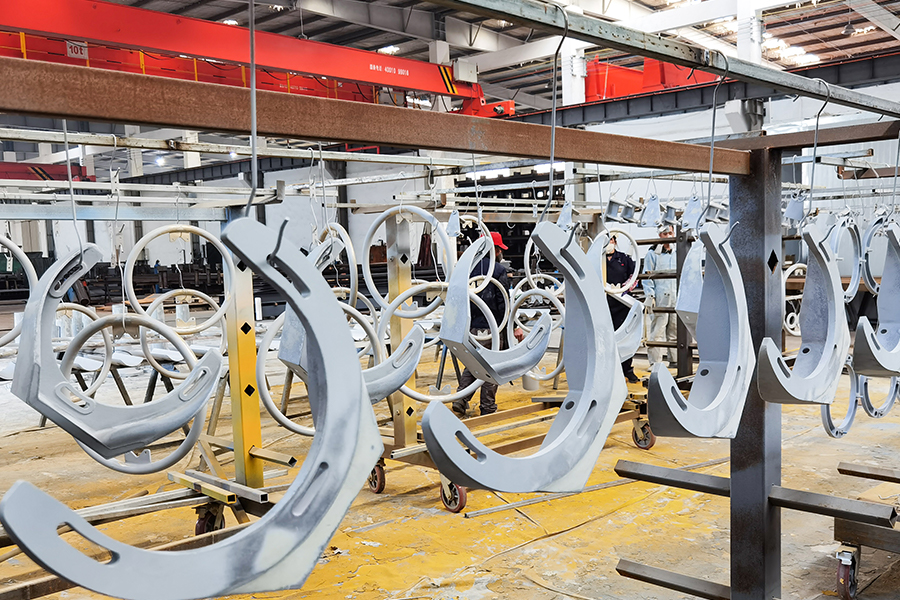
Understanding Heavy-Duty Steel Structure Welding Large-scale construction and indust...
READ MORE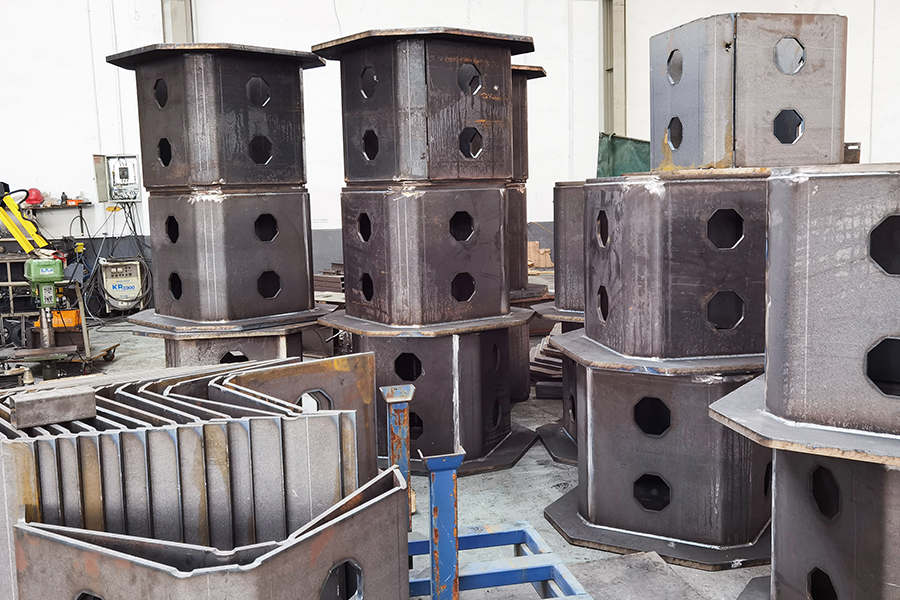
Why Equipment Structural Framework Welding Demands More Than Just a Welder Not all w...
READ MORE
No.158, Baoqun Road, Yaozhuang Town, Jiashan County, Jiaxing City, Zhejiang Province , China
0086 13857303563
+86-573-84893330 / +86-573-84518277
leo@weldmanufacture.com
sales@dingshijx.com
product