English
 日本語
日本語
 Deutsch
 Español
No.158, Baoqun Road, Yaozhuang Town, Jiashan County, Jiaxing City, Zhejiang Province , China
News
Home / News / Industry News / What Are the Key Benefits of Using Steel Structures in Equipment Manufacturing?

Content
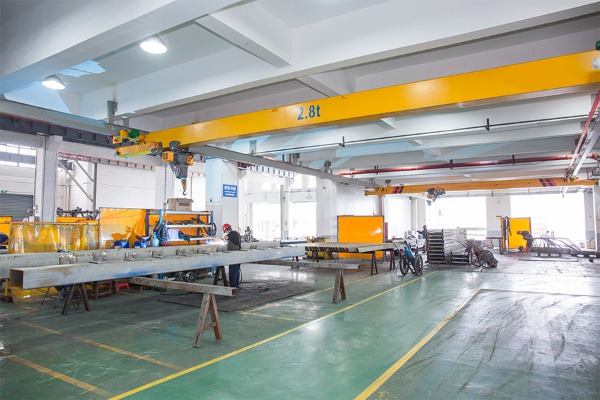
In the world of equipment manufacturing, structural integrity, cost-effectiveness, and flexibility are paramount. Equipment steel structures have become the cornerstone of modern industrial construction, especially in the fabrication of equipment. These structures provide several advantages, making them an indispensable component in the equipment manufacturing industry.
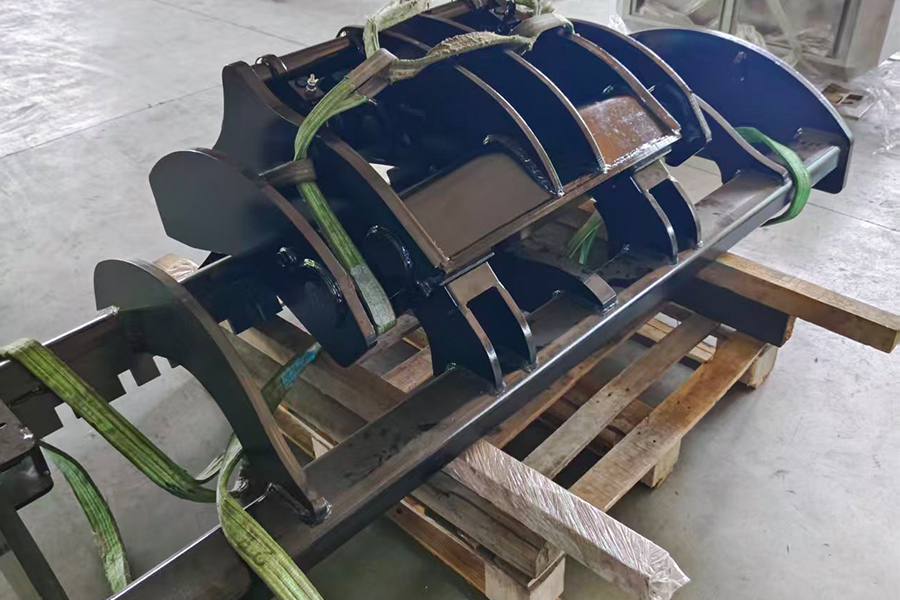
Equipment steel structures refer to the use of steel as the primary material for constructing frameworks, supports, and components of equipment. These structures can be tailored to meet the specific needs of various industries, including heavy machinery, transportation, and manufacturing. Steel is a versatile and durable material, which is why it is a preferred choice for building robust equipment that can withstand high levels of stress and wear.
Steel is known for its exceptional strength and durability. This makes it ideal for building equipment structures that must endure harsh conditions. Whether it’s the constant vibrations of industrial machinery, extreme weather conditions, or heavy loads, steel structures offer unparalleled resistance to damage and wear over time. This durability translates into a longer lifespan for equipment, reducing the need for frequent replacements.
While steel may have a higher initial cost compared to other materials like wood or concrete, its longevity and low maintenance requirements make it a cost-effective choice in the long run. Equipment steel structures can withstand wear and tear for decades, which means less money spent on repairs and replacements. Additionally, steel’s ability to be recycled adds to its cost-effectiveness, aligning with both environmental goals and budget considerations.
One of the most notable advantages of steel is its flexibility in design. Equipment steel structures can be fabricated and customized to meet the specific needs of equipment manufacturers. Whether a company requires specialized frames for machinery or unique supports for complex systems, steel can be molded and shaped to accommodate a wide variety of design specifications. This flexibility also means that manufacturers can adapt their designs to suit evolving technological needs without needing to switch materials.
Steel structures can be prefabricated off-site and then assembled quickly, which greatly reduces construction time. In industries where time is a critical factor, the ability to quickly assemble and install steel structures is a huge advantage. This means faster production cycles, enabling companies to meet deadlines and keep operations running smoothly.
Steel is a fire-resistant material, which is an essential consideration in manufacturing equipment that may be exposed to extreme temperatures or fire hazards. Its inherent strength also provides stability, ensuring that equipment remains secure and functional even under heavy stress or during extreme operational conditions. This contributes to the overall safety of workers and the operational integrity of the equipment.
Steel structures require very little maintenance once they are constructed. Unlike other materials that may deteriorate over time due to moisture, rust, or impact damage, steel is resistant to corrosion and physical wear. This means that equipment manufacturers can rely on steel structures to provide long-term stability without having to invest in costly maintenance programs.
Steel structures are used in a wide range of equipment manufacturing sectors. Below is a table that highlights some of the common applications:
| Application | Description |
|---|---|
| Heavy Machinery | Steel is used to build the frameworks of large industrial machines, providing strength and stability. |
| Transportation Equipment | Steel structures form the backbone of transportation equipment such as trucks, cranes, and trains. |
| Construction Equipment | Steel structures provide robust support for cranes, excavators, and other heavy-duty construction tools. |
| Manufacturing Equipment | Steel is essential in creating the frames and supports for manufacturing equipment like presses, lathes, and conveyor systems. |
| Storage Systems | Steel is widely used in constructing shelves, racks, and other storage systems that are part of the manufacturing process. |
While wood and concrete are still used in some applications, they do not offer the same level of strength, durability, and flexibility that steel provides. Wood can warp or deteriorate over time, especially in environments that are prone to moisture or temperature changes. Concrete, while strong, is often less flexible and more prone to cracking under stress. Steel, on the other hand, provides a balance of strength, flexibility, and long-term durability that is hard to beat.
Steel is one of the most recyclable materials available today. Steel structures can be repurposed or recycled at the end of their life cycle, significantly reducing environmental impact. This is especially important as industries continue to push for sustainability and eco-friendly manufacturing processes.
In conclusion, steel structures offer numerous benefits to equipment manufacturing, including durability, strength, cost-effectiveness, and flexibility. As a material, steel continues to dominate in industries that require robust, high-performance equipment. Its use not only enhances the quality and lifespan of the equipment but also provides a sustainable solution for manufacturers looking to minimize their environmental impact.
1. Why are steel structures preferred in equipment manufacturing?
Steel structures are preferred for their durability, strength, cost-effectiveness, and ability to be customized for specific equipment needs.
2. How does steel compare to other materials like wood or concrete?
Steel offers superior strength, flexibility, and resistance to wear compared to wood and concrete, making it the better choice for equipment manufacturing.
3. Are steel structures environmentally friendly?
Yes, steel is 100% recyclable, making it an eco-friendly choice for equipment manufacturing.
4. How does steel affect the overall cost of equipment manufacturing?
While steel has a higher initial cost, its longevity and low maintenance requirements make it a cost-effective material in the long run.
5. Can steel structures be customized for specific equipment?
Yes, steel is highly versatile and can be tailored to meet the specific design and functional needs of equipment manufacturers.
Why Steel Structure Frame Welding Fails: A Practical Diagnosis Guide Steel structure...
READ MORE
Storage racks carry heavy loads day after day, often for decades. The welds that ho...
READ MORE
Understanding Heavy-Duty Steel Structure Welding Large-scale construction and indust...
READ MORE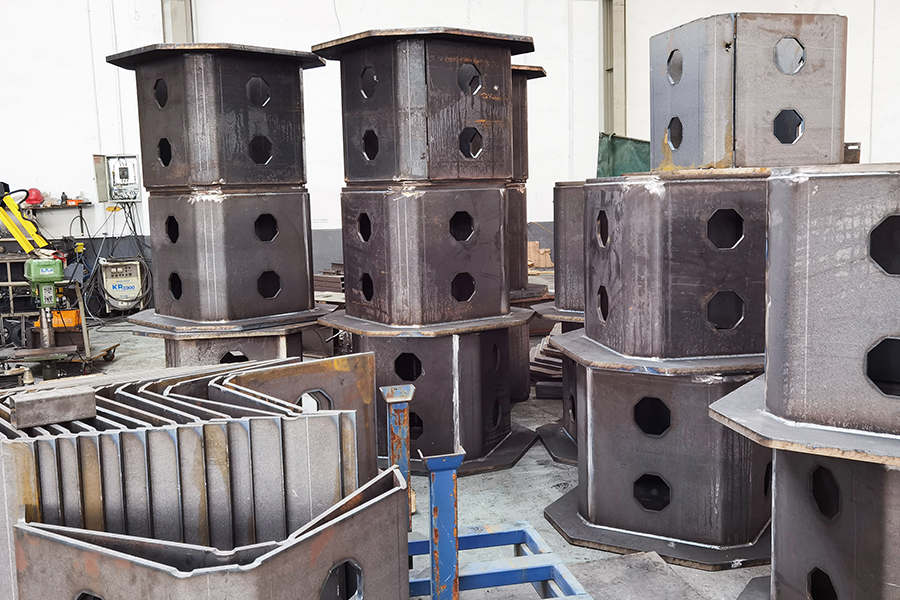
Why Equipment Structural Framework Welding Demands More Than Just a Welder Not all w...
READ MORE
No.158, Baoqun Road, Yaozhuang Town, Jiashan County, Jiaxing City, Zhejiang Province , China
0086 13857303563
+86-573-84893330 / +86-573-84518277
leo@weldmanufacture.com
sales@dingshijx.com
product